
Hip Replacement Surgery in Ahmedabad
Advanced Treatment for Lasting Pain Relief & Better Mobility
If hip pain, stiffness, or joint degeneration is making daily activities difficult, hip replacement surgery can help you return to a more active, pain-free life. At Tejasya Hospital, our experienced hip orthopedic surgeons specialise in diagnosing and treating complex hip conditions using advanced surgical techniques and personalised care.
Whether your pain is due to arthritis, injury, fractures, or long-term joint wear, we offer comprehensive evaluation and tailored treatment options for those seeking hip replacement in Ahmedabad.
Hip replacement surgery is a procedure where the damaged or worn-out parts of the hip joint are replaced with artificial components to reduce pain and improve movement. It is recommended when conservative treatments no longer provide relief.
What Is a Hip Orthopedic Surgeon?
A hip orthopedic surgeon is a specialist trained in diagnosing and treating medical conditions that affect the hip joint, including bones, cartilage, tendons, ligaments, and surrounding muscles.
These experts manage both surgical and non-surgical treatments such as:
- Hip arthritis
- Hip fractures
- Avascular necrosis
- Hip dysplasia
- Degenerative joint disorders
At Tejasya Hospital, our surgeons focus on restoring mobility, reducing pain, and helping patients return to their normal activities with confidence.
What Is Hip Replacement Surgery?
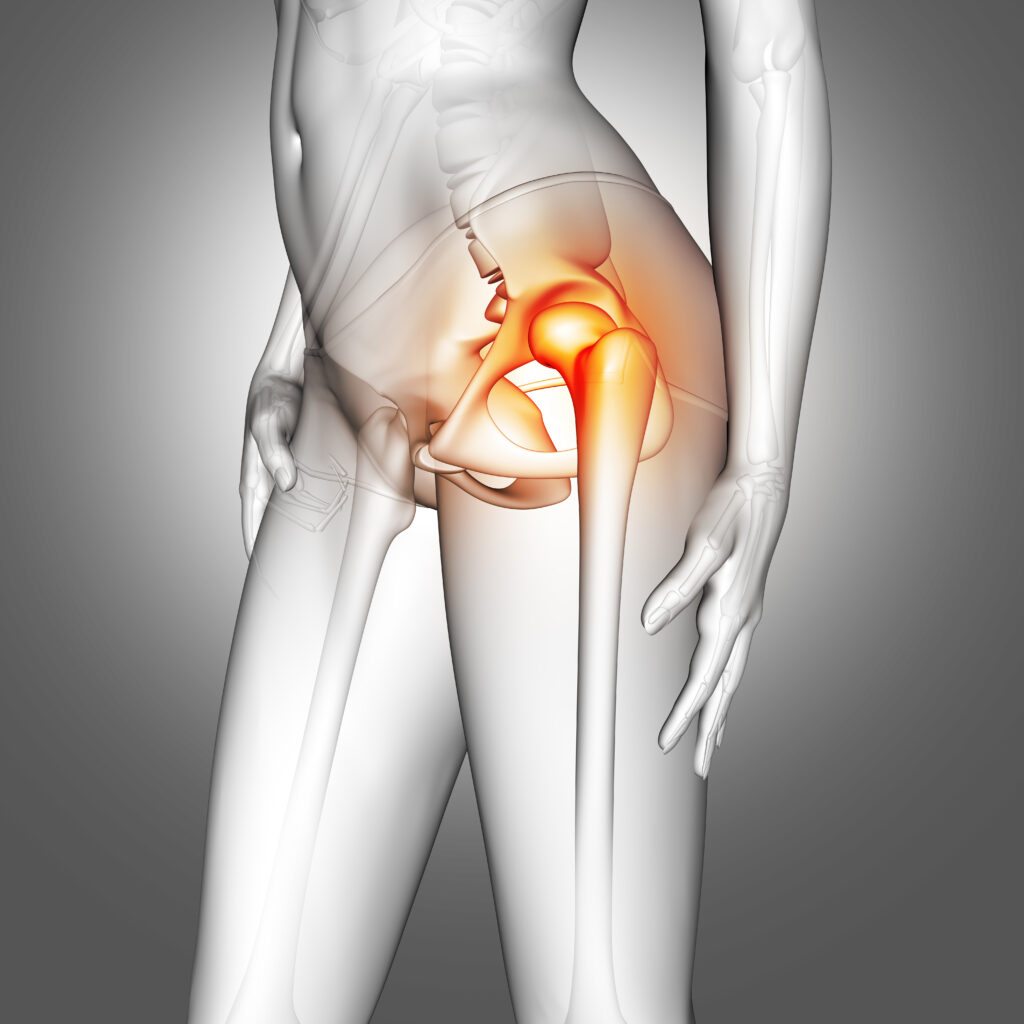
Hip replacement surgery, also known as hip arthroplasty, is a procedure in which the damaged parts of the hip joint are removed and replaced with a prosthetic implant. This artificial joint is designed to restore smooth movement and reduce chronic pain caused by:
- Osteoarthritis
- Rheumatoid arthritis
- Hip fractures
- Avascular necrosis
- Post-traumatic joint degeneration
Our specialists offer two main types of hip replacement surgery:
1. Total Hip Replacement (THR)
Both the ball (femoral head) and socket (acetabulum) of the hip joint are replaced with artificial prosthetic components.
2. Partial Hip Replacement (Hemiarthroplasty)
Only the ball portion of the hip joint is replaced. This approach is often recommended for specific fracture types or limited damage.
Who Needs Hip Replacement Surgery?
You may be a candidate for hip replacement if you experience:
- Chronic hip pain that persists even during rest
- Difficulty walking, standing, or climbing stairs
- Limited hip flexibility or stiffness
- Pain that disrupts sleep or daily routines
- Reduced quality of life and activity levels
- Minimal relief from medications, physiotherapy, or injections
A detailed evaluation with a hip orthopedic surgeon can help determine whether hip replacement is the right option for your condition.
Benefits of Hip Replacement Surgery
Undergoing hip replacement at Tejasya Hospital can provide several long-term benefits:
1. Significant Pain Relief
Say goodbye to the persistent pain caused by arthritis or joint degeneration.
2. Improved Movement & Flexibility
Patients often regain smoother, more natural movement after recovery.
3. Enhanced Mobility for Daily Life
Simple tasks like standing, sitting, or walking become much easier.
4. Faster Recovery with Modern Techniques
We use minimally invasive approaches when appropriate to reduce scarring, limit tissue disruption, and promote quicker healing.
5. Long-Lasting Results
With good care and rehabilitation, modern implants can last 15–20+ years.
How Hip Replacement Surgery Works: Step-by-Step Process
At Tejasya Hospital, your journey is supported from the first consultation to recovery.
1. Consultation & Assessment
Your hip orthopedic surgeon will:
- Conduct a detailed examination
- Review your medical history
- Evaluate X-rays or MRI scans
- Discuss previous treatments
- Identify the best surgical approach
This helps ensure the chosen treatment aligns with your health, lifestyle, and long-term goals.
2. Personalised Preoperative Planning
Once surgery is scheduled, we prepare a tailored plan that includes:
- Preparing you physically for surgery
- Preoperative medical tests
- Review of medications
- Guidance on mobility aids and rehabilitation
- Addressing your concerns and expectations
3. Surgery Day
Hip replacement surgery is typically performed under spinal or general anesthesia.
During the procedure:
- The damaged ball-and-socket joint components are removed
- Artificial implants made from durable materials (ceramic, metal, or polyethylene) are secured in place
- Surrounding tissues are preserved as much as possible
- The new joint is tested for smooth movement and stability
Most surgeries take 1–2 hours depending on the complexity.
4. Postoperative Care & Rehabilitation
Recovery begins soon after surgery. Our team provides:
- Pain management
- Guided physiotherapy
- Walking training with support
- Exercise routines to restore strength
- Monitoring for healing and implant function
Most patients begin walking with assistance within 24–48 hours.
5. Long-Term Recovery & Follow-Up
Follow-up visits help track your progress, ensure proper healing, and optimise long-term outcomes.
Patients typically resume daily activities within 6–12 weeks, with full recovery taking up to 6–12 months depending on age, lifestyle, and health.
Why Choose Tejasya Hospital for Hip Replacement Surgery?
Experienced Hip Orthopedic Surgeons
Our team has years of experience performing hip replacements with consistently strong outcomes.
Advanced Surgical Technology
We use modern implants and minimally invasive techniques to support faster recovery.
Personalised Treatment Plans
Your treatment journey is based on your unique condition, mobility goals, and health needs.
Comprehensive Rehabilitation Support
Specialised physiotherapists guide you throughout recovery to ensure long-lasting results.
Patient-Centric Approach
We prioritise comfort, transparency, and clear communication to help you feel confident throughout your treatment.
Recovery Timeline After Hip Replacement Surgery
Week 1–2
- Early walking with assistance
- Pain reduction
- Basic mobility exercises
Week 3–6
- Improved flexibility and strength
- Reduced swelling
- Increased daily functioning
Week 6–12
- Return to light activities
- Independent walking
3–6 Months
- Greater stability and endurance
- Near-normal movement
Up to 1 Year
- Complete strengthening and full adaptation to the artificial joint
FAQs
Most patients resume daily activities in 6–12 weeks, with full recovery taking 3–12 months depending on individual progress.
Yes. With modern techniques and experienced surgeons, hip replacement has a high success rate. Complications are rare and are carefully monitored.
If pain affects daily life and conservative treatments have failed, you may benefit from hip replacement. An evaluation with a hip orthopedic surgeon is recommended.
Yes. After proper rehabilitation, most patients return to walking, routine activities, and low-impact exercises comfortably.
Take the First Step Toward a Pain-Free Life
If hip pain is restricting your mobility or affecting your quality of life, our expert hip orthopedic surgeons at Tejasya Hospital are here to help.
Schedule your consultation today and begin your journey toward improved movement, strength, and comfort.